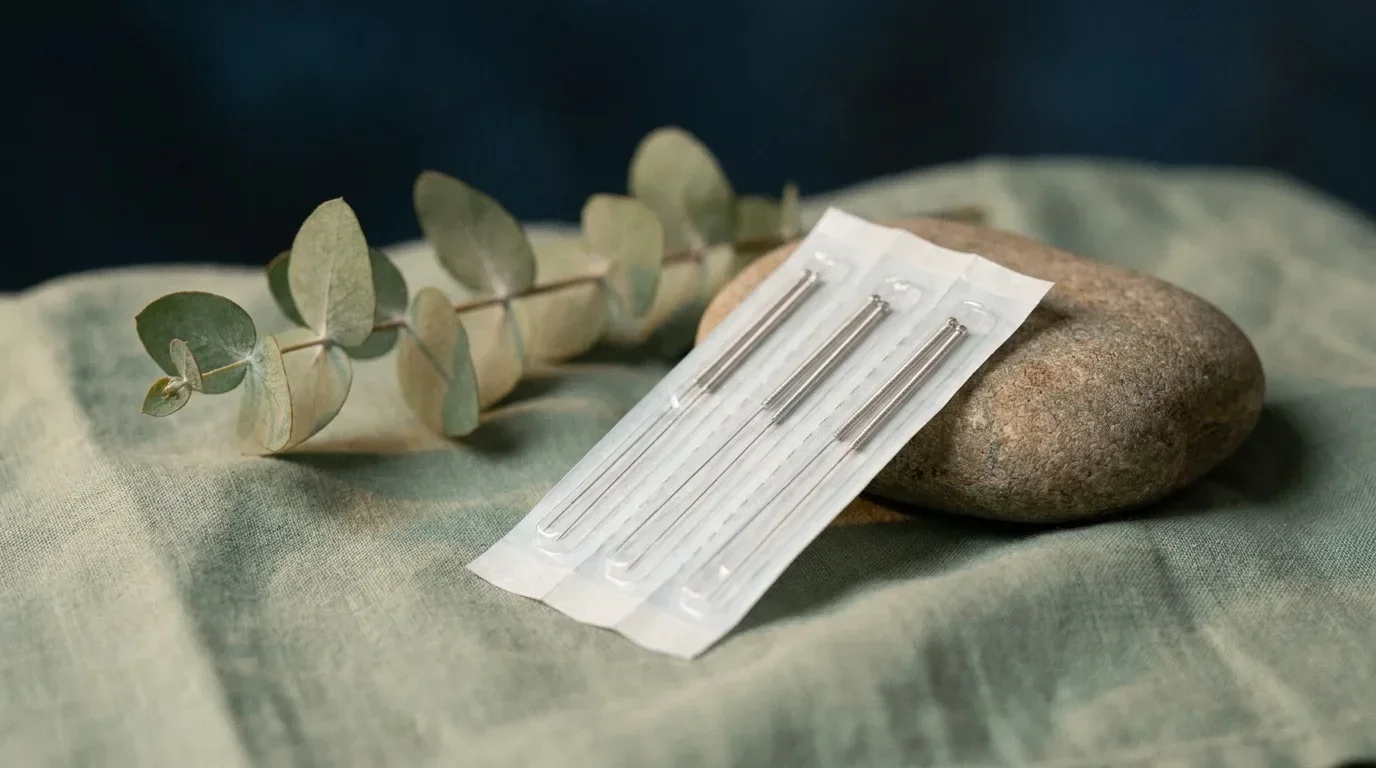


Introduction to Dry Needling
Dry needling is a therapeutic technique used by physical therapists and other healthcare professionals to treat pain and dysfunction in the musculoskeletal system. It involves the insertion of thin needles into specific trigger points in muscles, fascia, and connective tissues. This practice has gained popularity for its effectiveness in alleviating pain, improving mobility, and enhancing recovery.
What Is Dry Needling?
Dry needling is often confused with acupuncture, but the two practices have different philosophies and techniques. While acupuncture is rooted in traditional Chinese medicine and focuses on balancing the body's energy, dry needling is based on Western medicine principles. The primary goal of dry needling is to release muscle tension, reduce pain, and promote healing. If you want a deeper comparison, read my post on the similarities and differences in acupuncture and dry needling.
How Does Dry Needling Work?
When a needle is inserted into a trigger point, it stimulates a local response in the muscle. This can lead to several physiological effects, including:
- Muscle relaxation: The insertion of the needle can cause a reflex mechanism that relaxes the muscle, reducing tension and tightness.
- Increased blood flow: Dry needling promotes circulation to the affected area, aiding in the delivery of oxygen and nutrients necessary for healing.
- Release of endorphins: The process can trigger the release of endorphins, the body's natural painkillers, contributing to pain relief.
- Reduction of inflammation: By promoting blood flow and healing, dry needling can help decrease inflammation in the affected area.
Conditions Treated with Dry Needling
Dry needling can be effective for a variety of conditions, including:
- Chronic pain conditions (for example, fibromyalgia and myofascial pain syndrome)
- Sports injuries
- Tension headaches and migraines
- Neck and back pain
- Sciatica and other nerve pain
- Tendonitis
- Pregnancy and postpartum pain
- TMJ
- Stress management
- Postural dysfunctions
- Plantar fasciitis
- And more
What to Expect During a Dry Needling Session
A typical dry needling session begins with an evaluation by a qualified practitioner. At Haven Health, that is me, Dr. Jill. I assess your condition and identify the trigger points that need treatment.
- Preparation: You may be asked to lie down in a comfortable position, and I will clean the area where the needles will be inserted.
- Needle insertion: I use a thin, sterile needle to go through the skin and reach the trigger point. The sensation may vary from a slight prick to a deeper ache.
- Post-treatment care: After the session, I may give you exercises, stretches, or other therapies to complement the treatment and enhance recovery.
Is Dry Needling Safe?
When performed by a trained healthcare professional, dry needling is generally considered safe. Some individuals may experience mild discomfort, bruising, or soreness at the needle insertion site. It's essential to discuss any concerns with your practitioner before treatment.
Conclusion
Dry needling is an effective therapeutic technique that can help alleviate pain and promote healing in various musculoskeletal conditions. If you're struggling with chronic pain or tight muscles, consider consulting with a healthcare professional trained in dry needling. This technique may be a valuable addition to your pain management and rehabilitation plan. You can learn more on my dry needling page.
Your Next Step
If you're interested in learning more about dry needling or exploring treatment options, book a free 15-minute discovery call with Dr. Jill or call 864-210-4164. I would love to help you feel and move better.