

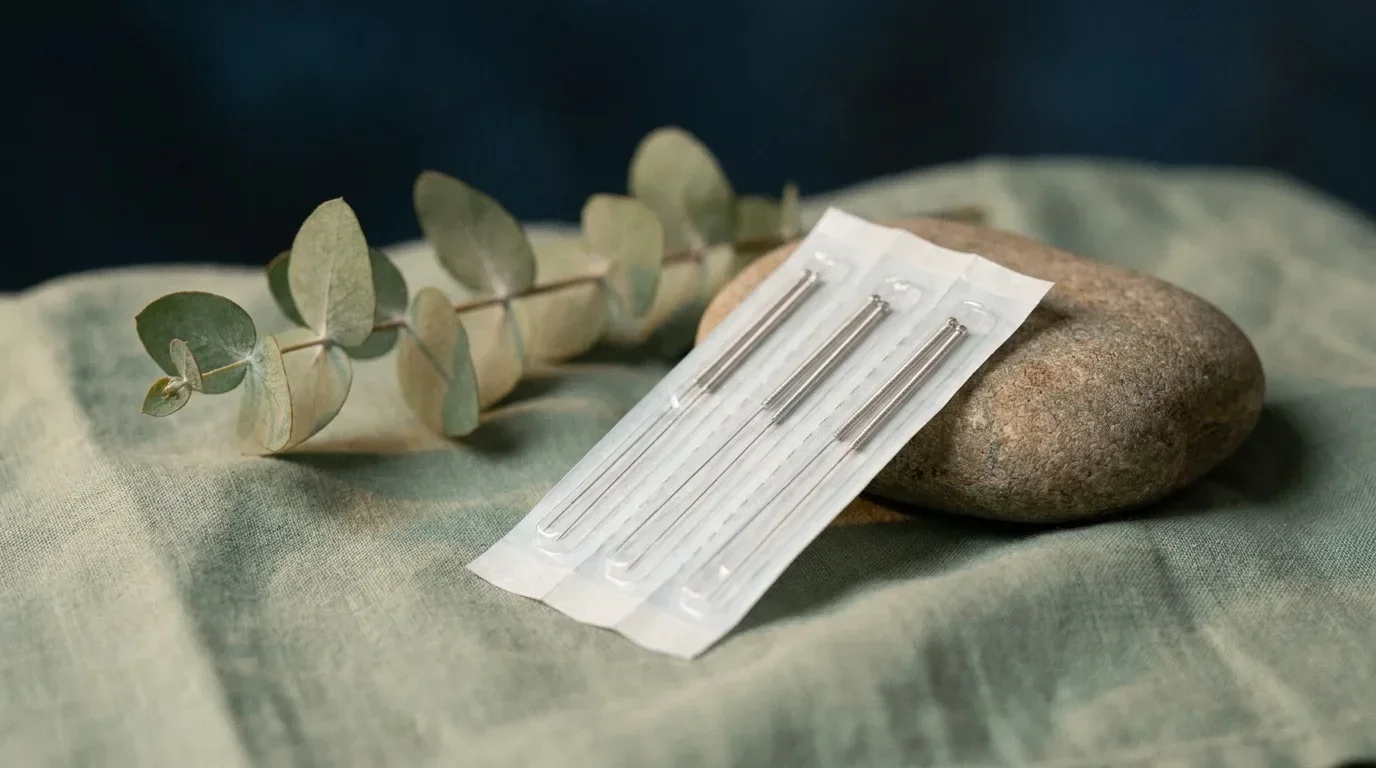
The healing arts have long included a variety of techniques aimed at promoting well-being and alleviating pain. Among these methods, acupuncture and dry needling have gained significant attention in recent years. Both techniques involve the insertion of needles into the body, yet they differ significantly in their philosophy, technique, and clinical application. In this blog post, I will explore the similarities and differences between acupuncture and dry needling, focusing on their techniques and benefits.
Understanding Acupuncture
Acupuncture is a traditional Chinese medicine practice that dates back over 2,500 years. It aims to restore balance and harmony within the body by stimulating specific points along the body's meridians. The belief is that these meridians are pathways through which vital energy, or "Qi," flows. When this flow is disrupted, illness can arise.
Techniques of Acupuncture
Acupuncture needles are typically very thin. In most cases, they are retained in the body for 20 to 40 minutes. Practitioners might manipulate the needles or apply heat or electrical stimulation to enhance the therapeutic effect.
The main points of focus usually relate to various health concerns, such as:
- Pain management
- Stress reduction
- Increasing energy levels
- Digestive issues
Exploring Dry Needling
Dry needling, an approach that has seen increased popularity in the field of physical therapy, focuses more on the treatment of muscular trigger points than on the broader Qi pathways identified in acupuncture. Its roots go back to trigger point research in the 1940s, and dry needling aims to release muscle tension and alleviate pain in localized areas.
Techniques of Dry Needling
In dry needling, thin needles are also used, but they are generally inserted directly into the trigger points, which are tight bands within muscles. The goal is to relieve muscular pain quickly and reduce tension, often through a "twitch response," where the muscle may visibly contract when the needle is inserted.
Practitioners might use dry needling for conditions such as:
- Sports injuries
- Chronic and acute pain
- Post-surgery recovery
- Muscle and tissue strains
- Scar tissue mobility
- Pregnancy and postpartum
- Headaches and migraines
- Spine pain
- Nerve pain
- And more
Similarities Between Acupuncture and Dry Needling
While acupuncture and dry needling are distinct practices, they share some similarities worth mentioning:
- Use of needles: Both techniques involve the use of thin needles to stimulate specific areas of the body to promote healing and pain relief.
- Pain relief: At their core, both acupuncture and dry needling can be effective in alleviating pain, whether for chronic conditions, acute injuries, or tension-related issues.
- Minimal discomfort: Patients often report minimal pain during either procedure, although reactions may vary based on individual tolerance.
People Engaged in Both Practices
Practitioners of both methods often receive similar foundational medical training. Many physical therapists, chiropractors, and massage therapists may offer dry needling after obtaining specific certifications, while acupuncturists must complete extensive training that often lasts several years under acupuncture specialists.
Differences Between Acupuncture and Dry Needling
Despite some similarities, acupuncture and dry needling differ significantly in several ways.
Philosophy and Approach
Acupuncture is rooted in traditional Chinese medicine, which embraces a holistic view of health. Dry needling, on the other hand, is more focused on the physical aspects of the body. It does not engage with the energy systems referred to in acupuncture. Instead, it concentrates on the actual physical dysfunctions in the muscles.
Treatment Duration and Technique
The duration of treatment sessions typically varies between the two practices. Acupuncture sessions are longer, usually 30 to 60 minutes, while dry needling sessions may be shorter, lasting about 15 to 45 minutes. Additionally, while acupuncture needles can remain in place for longer periods, dry needling generally aims to trigger immediate muscle release.
Target Areas and Goals
Acupuncture may address issues throughout the entire body, such as internal organ function, whereas dry needling tends to focus specifically on muscle groups, connective tissues, neuromuscular junctions, and their associated pain points. This distinction can lead to differing outcomes depending on the individual needs, goals, and concerns of the patient.
Benefits of Acupuncture
Acupuncture has been associated with a multitude of health benefits. Some of these include:
- Pain relief: Many report significant reduction in chronic pain conditions, such as arthritis and migraines.
- Stress reduction: Acupuncture can stimulate the release of endorphins, helping to create a calm and balanced state of mind.
- Enhanced overall well-being: Regular acupuncture sessions may improve sleep quality, facilitate digestion, and support immune system function.
Patients often view acupuncture as an integrative approach to health, contributing to their overall sense of well-being.
Benefits of Dry Needling
Dry needling also offers unique advantages:
- Targeted pain relief: Many people with muscle pain find that dry needling is effective in releasing trigger points, and some feel relief right away.
- Increased range of motion: This technique can enhance mobility and flexibility, making it popular among athletes.
- Faster recovery: By easing muscular tension and improving circulation, dry needling can speed up the recovery process after injuries.
- Increased muscle recruitment: By stimulating various layers of muscles (both deep and superficial) and surrounding tissues, dry needling can help athletes recruit muscles more efficiently, to increase strength or perform better at their sport.
Individuals often choose dry needling for its focused approach, particularly when dealing with musculoskeletal pain. However, the benefits can also be seen holistically, with its naturopathic approach. You can read more in Understanding Dry Needling: A Comprehensive Guide.
Making an Informed Choice
Choosing between acupuncture and dry needling ultimately depends on your personal health needs. If you're looking for a holistic treatment for various ailments, acupuncture may be the better option. If targeted muscle treatment is more your focus, you might find dry needling to be more beneficial.
Many people find that incorporating both therapies into their health routines provides a more comprehensive approach to wellness. If you're considering either technique, consult qualified practitioners who can tailor an approach based on your specific health concerns.
Your Next Step
If you want to know if dry needling is a good fit for you, book a free 15-minute discovery call with Dr. Jill or call 864-210-4164.